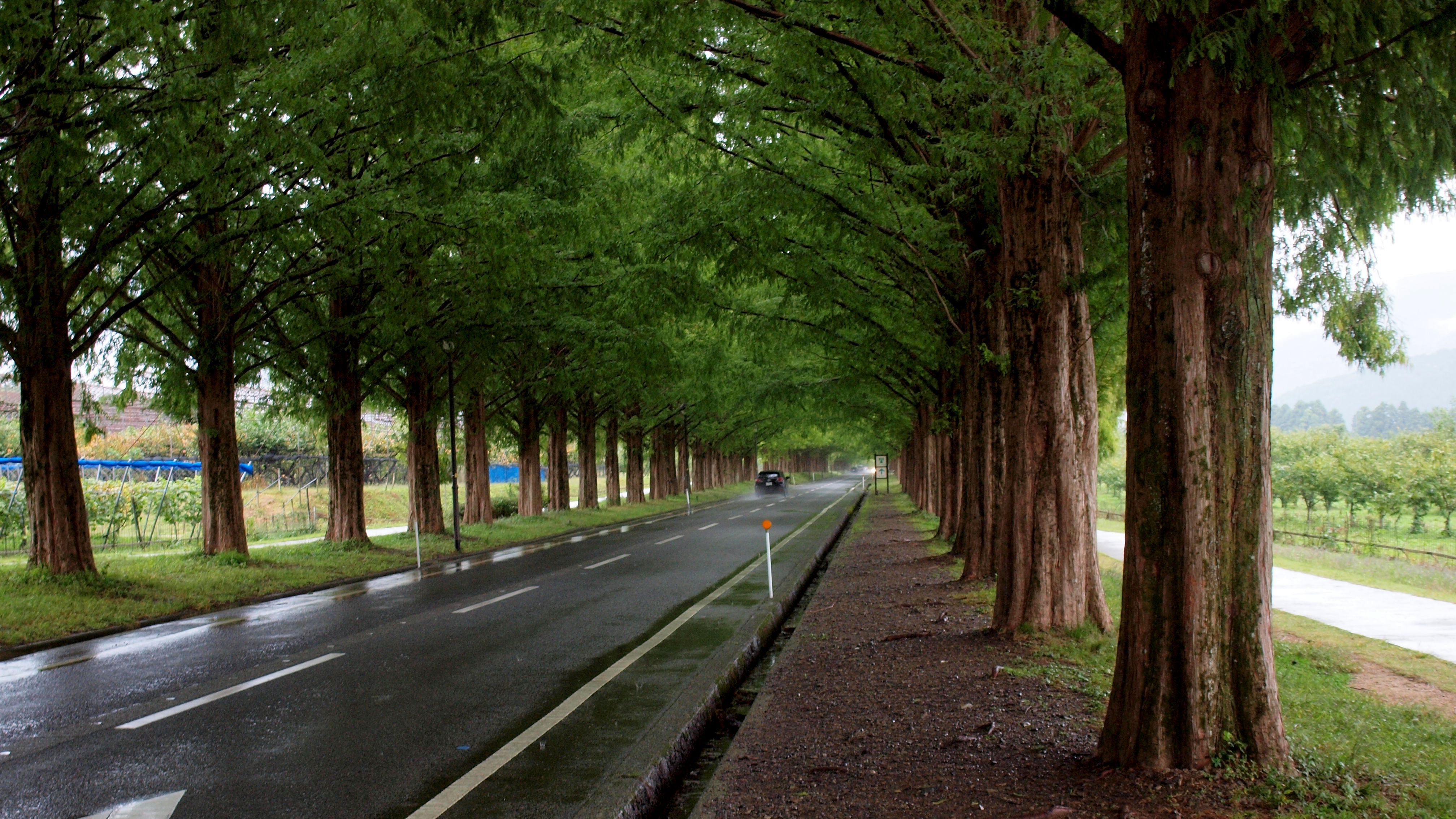
Morning temples and quiet lakes
Before the day fills up, there is a stillness around the temples and the western shore of Lake Biwa. We begin here — unhurried, attentive, and welcomed in.
Small-group journeys into Japan’s quieter places — shaped by practice, local life, and genuine human connection.
It is also found in the rhythm of a local town, the silence before practice, and the conversations that happen after dinner.
Lake West Tourism creates journeys that make room for those moments — a slow morning by the lake, a session in the dojo, a meal where you are a guest rather than a spectator. We travel in small groups, at a thoughtful pace, designed around people, place, and practice.
Before the day fills up, there is a stillness around the temples and the western shore of Lake Biwa. We begin here — unhurried, attentive, and welcomed in.
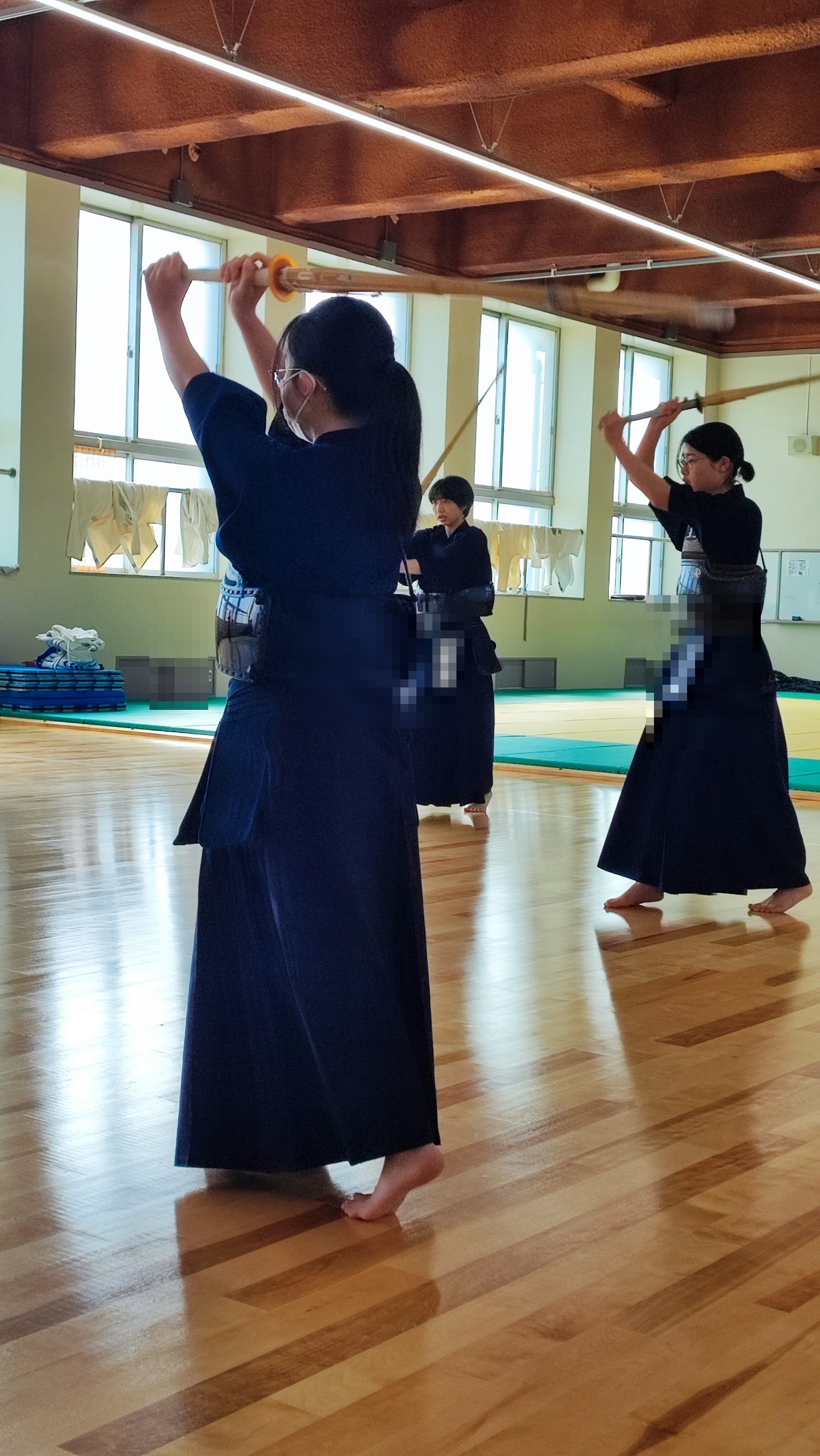
Not a demonstration to watch from the side, but the etiquette and rhythm of the dojo entered with respect — guided by someone who has spent a life in it.
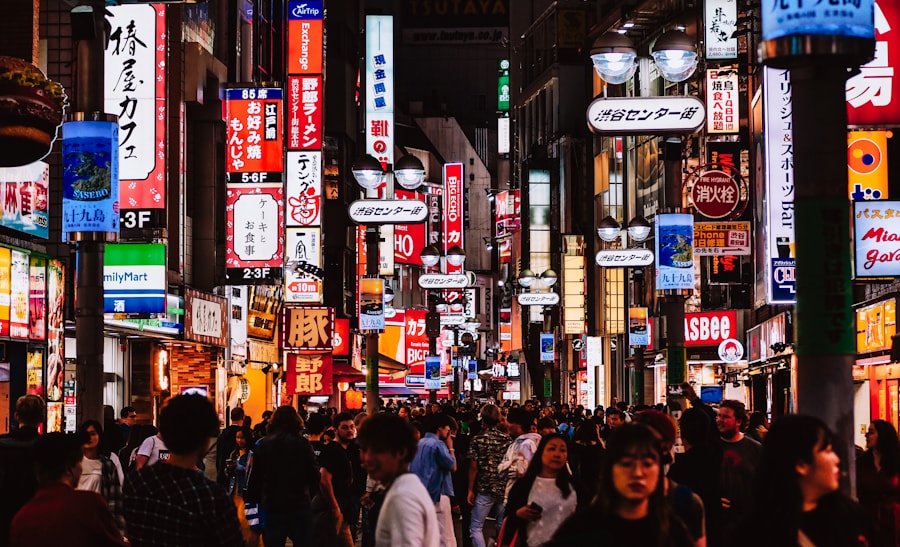
The part of a town that opens up after dark — a small counter, a few dishes, the people who keep the place going. You arrive as a guest, and you stay a while.
Every journey is small-group or private. Dates, accommodation, meals, and experiences are shaped together with you, so the prices shown are indicative starting points rather than fixed packages. Tell us what draws you, and we build a final quote from there.
Module 01 · Kendo
Three practice-led routes around Lake Biwa and the village of the sword. Kendo sessions are arranged with local dojo and depend on coordination.
Kendo practice requires coordination with the dojo and hosts, and is confirmed per journey.
Module 02 · Stillness
Zazen, shakyo, and the Tendai temple landscapes above Otsu — a journey of stillness, writing, mountain paths, and reflection.
Module 03 · Water towns
Canal towns, old merchant culture, a castle-town atmosphere, and the spring-fed clarity of Samegai.
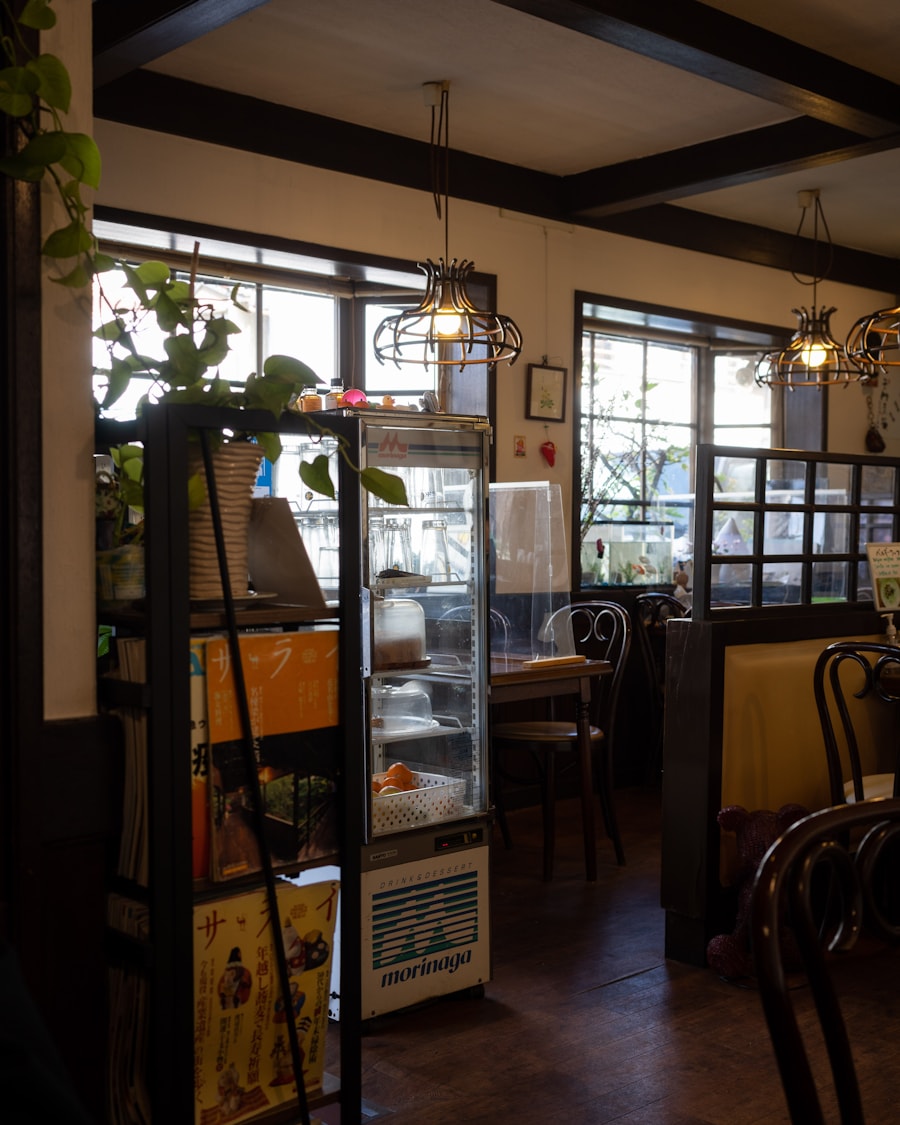
Module 04 · Lived-in streets
Glass crafts at Kurokabe and the everyday traces of the Showa era — a town still lived in, not a stage set.
Module 05 · Mountain roads
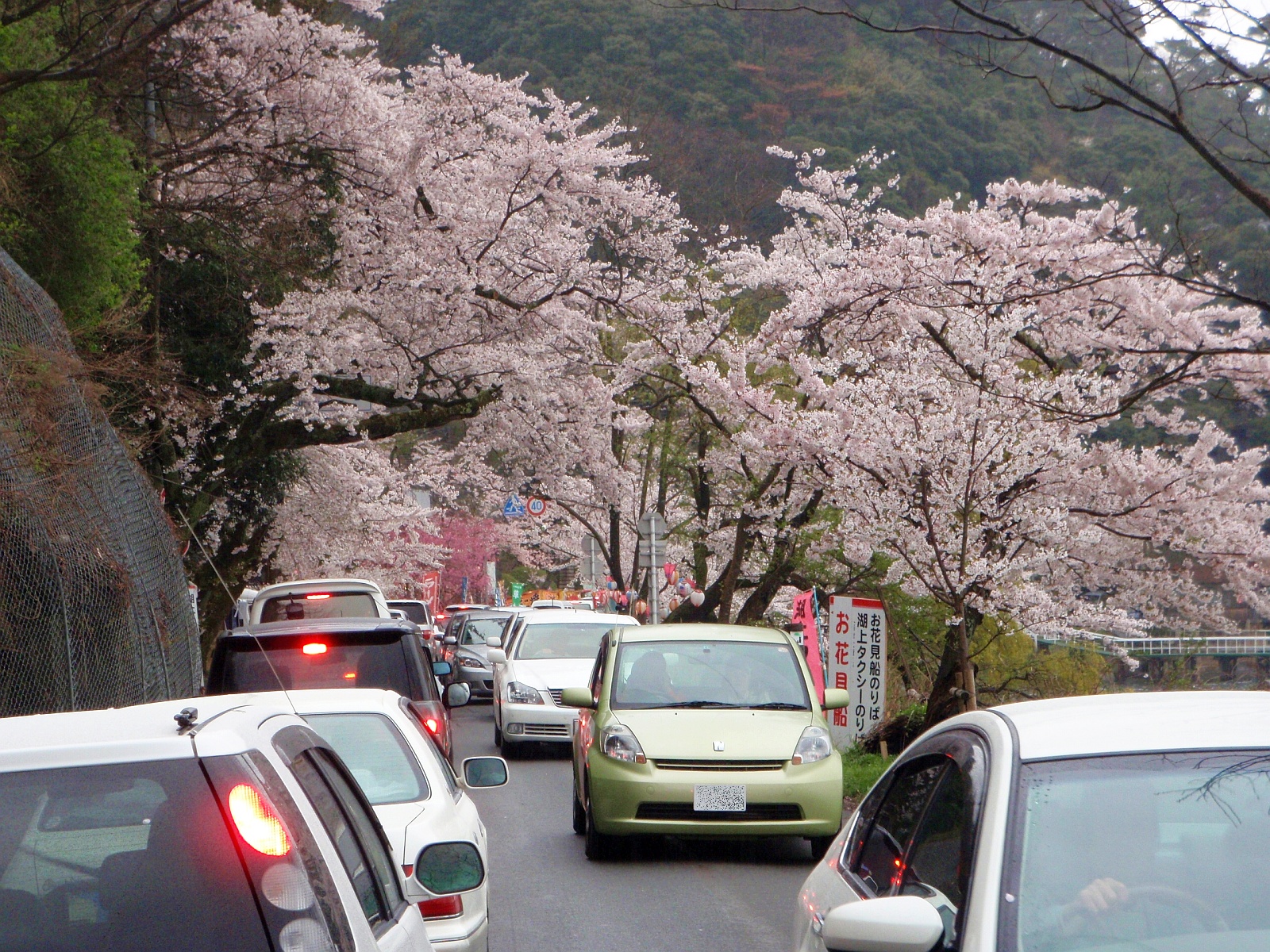
Old post towns of the Nakasendo, the valley of Kamikochi, and the hot springs of Okuhida — paced for the mountains.
Module 06 · Art & onsen
Zenkoji Temple, the Hokusai Museum in Obuse, and the hot-spring streets of Yudanaka and Shibu.
Module 07 · Northern islands
A premium, limited-capacity journey from Sapporo to the remote landscapes of Rishiri Island, in collaboration with local guides.
Module 08 · Before & after
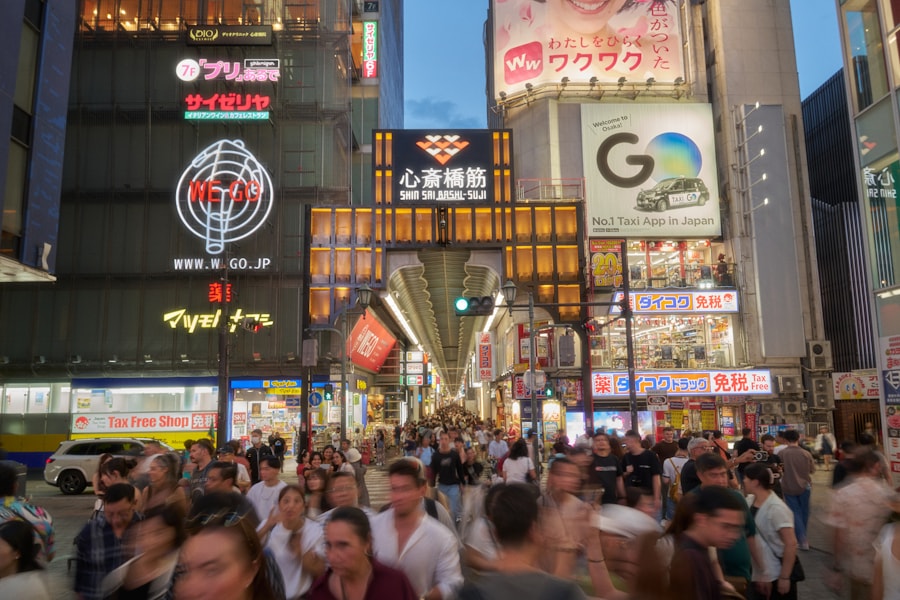
An extension designed to connect with the main modules — Kyoto, Osaka, local food, and curated cultural evenings.
The figures above are indicative land prices, per person, for the journey, based on twin-share accommodation. They exclude international flights and are shown only to give a sense of scale. Once your journey is shaped together, we confirm a single, itemised quote in writing.
To hold your dates, we ask for a deposit. We begin making arrangements on your behalf — reserving accommodation, transport, dojo sessions, and experiences — once that deposit is received. The remaining balance is due before departure, and full payment and cancellation terms are confirmed in writing at the time of booking.
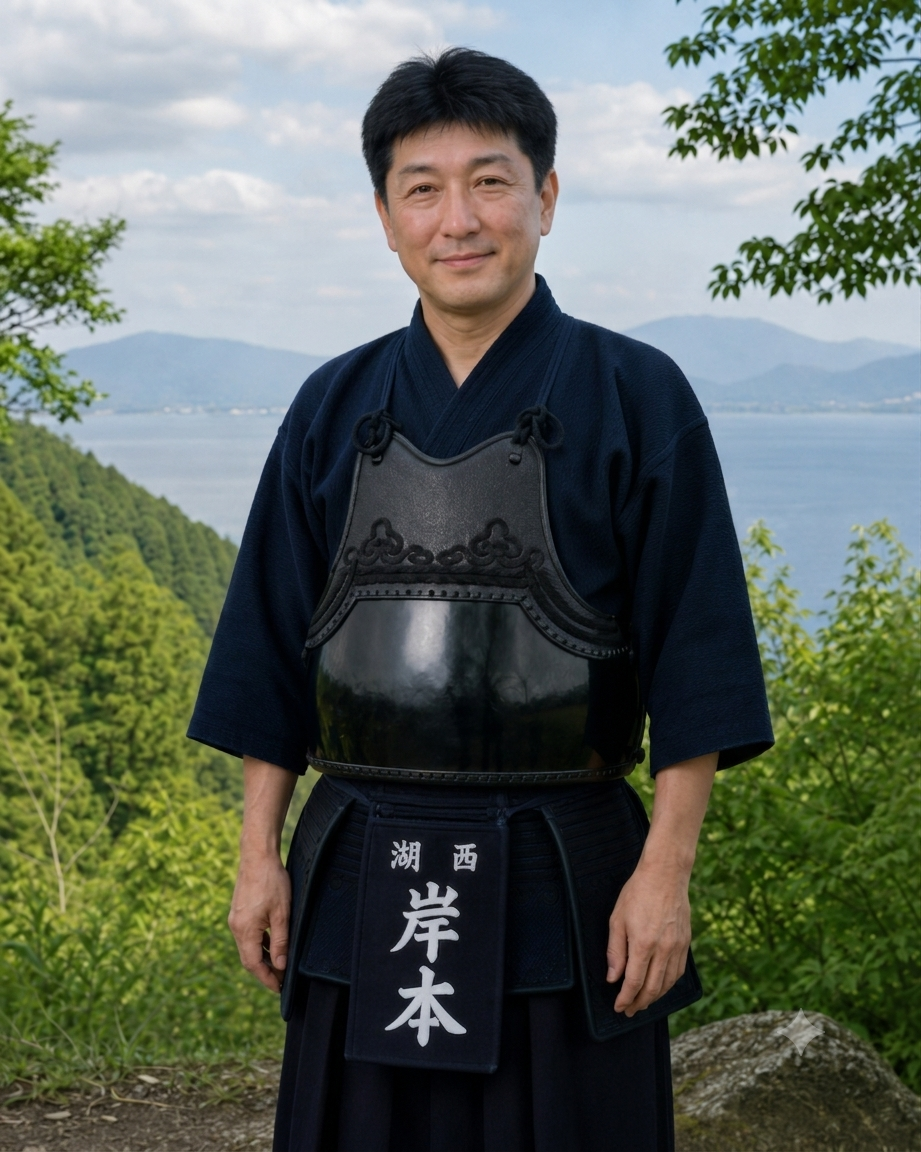
Naoyuki Kishimoto
Founder & travel host · Sixth-Dan kendo practitioner and instructor
For selected journeys, the person who designed your trip may also travel with you — not to rush you from landmark to landmark, but to help the journey unfold with care. As a kendo practitioner, he can share the etiquette of the dojo with respect rather than as a spectacle; with a background in media, he can tell the story behind a place and the people who shape it.
A travel host accompanies selected journeys; it is arranged per trip and is not guaranteed for every journey.
Read the full story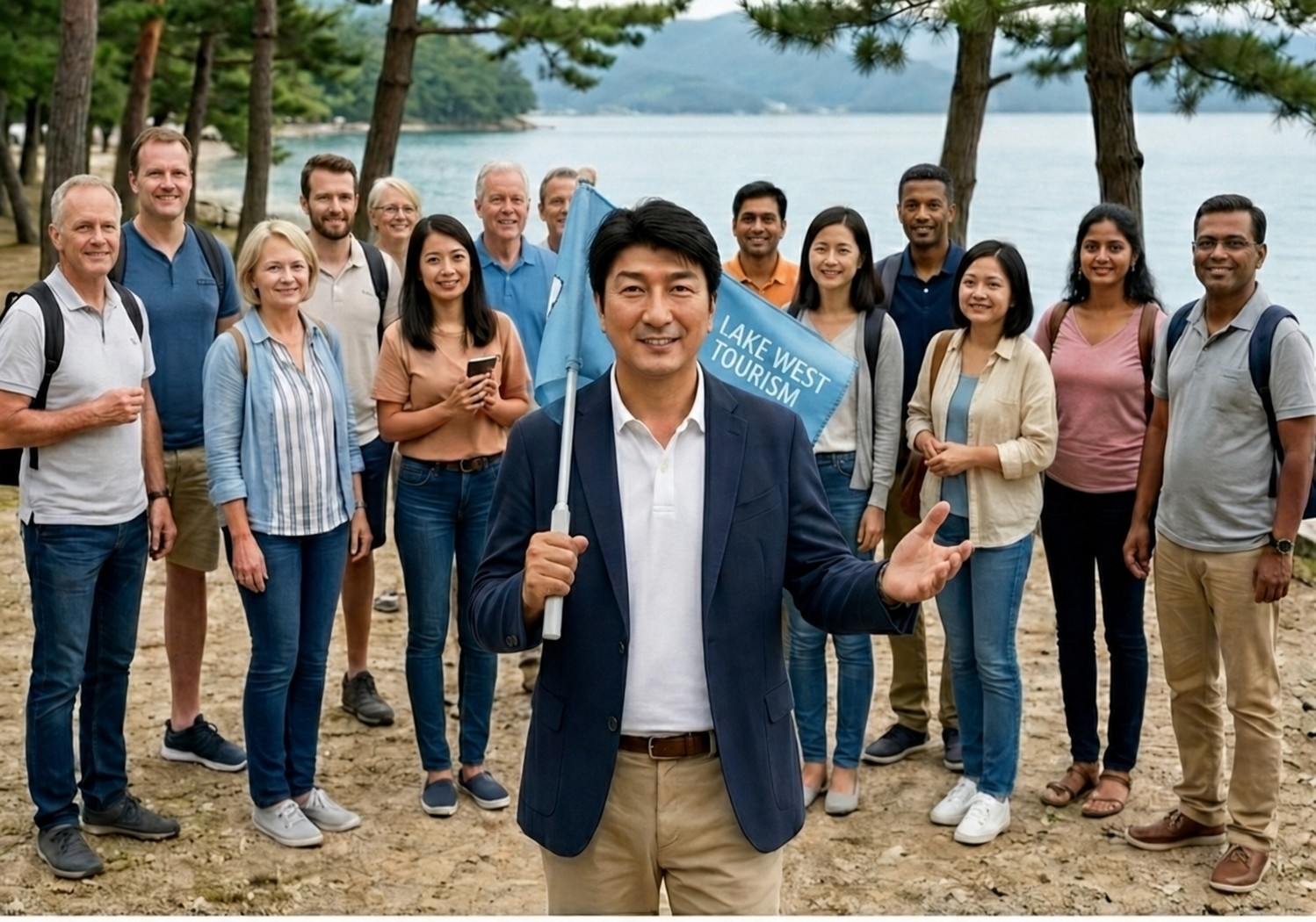
Local guides bring the knowledge of a place. Your Japanese tour conductor looks after the journey as a whole.
From the first arrival to the final farewell, we pay attention to timing, comfort, conversation, and the relationships that make a visit feel welcome. The purpose is not to speak over Japan. It is to help you encounter it — with respect.
In Japan, these are two different roles. A guide explains one place — a temple, a district, a craft. A tour conductor (添乗員, tenjōin) travels with you and holds the whole journey together: the timing, the transfers, the meals, and the small adjustments a day inevitably needs.
The Japanese tradition is deliberately understated. A tour conductor often keeps a quiet professional distance — at times staying at a different hotel, or dining apart — precisely so that your evenings and your free time remain your own. The role is to make the journey run, not to fill every hour or to stand between you and the country.
For selected journeys, I accompany you in this Japanese way: as the person who quietly represents you to every hotel, restaurant, and host, so that you are free simply to be a guest.
I am honest about the craft, too. Carried too far, an advocate can become demanding — suppliers in our industry sometimes say a tour conductor is louder than the travellers themselves. I take that as a lesson. My aim is to represent you firmly but quietly, and to treat the people who welcome us with the same respect I ask them to show you. That balance, I believe, is what lets a journey feel cared for from the first arrival to the final farewell.
Accompaniment as your tour conductor is arranged per journey, on request, and is not part of every trip.
A Japan-based travel company building small-group and tailor-made itineraries, with Shiga and the wider Kansai region as a starting point.
Tell us a little about who you are and what draws you to Japan. We will review your request and respond with the next steps — there is no instant booking here, and nothing is confirmed until we have spoken.